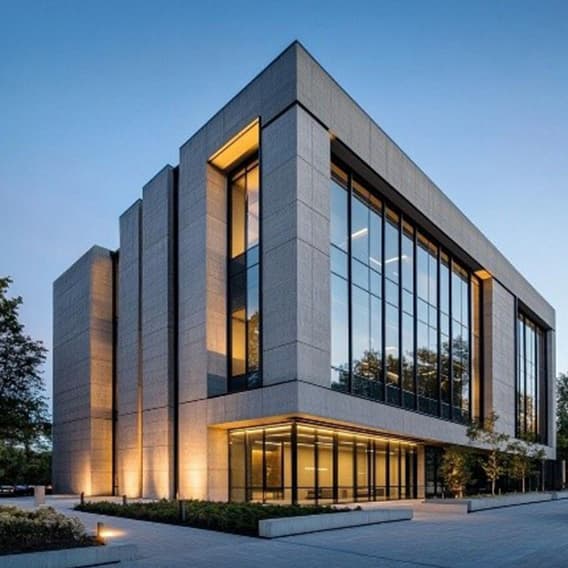
Materials That Make Sense
Select materials based on suitability, quality, durability and the needs of the project.

At Doma Development, sustainability is more than a construction objective—it is a responsibility we carry throughout every stage of a project. We recognize that the buildings we create today will influence communities and the environment for generations.
Our approach begins with thoughtful planning and responsible design. We work to reduce unnecessary material waste, improve energy efficiency, select durable and environmentally conscious materials, and create spaces that provide long-term value. By coordinating closely with architects, engineers, trades, suppliers, and clients, we identify practical opportunities to reduce a project’s environmental impact without compromising safety, quality, functionality, or design.
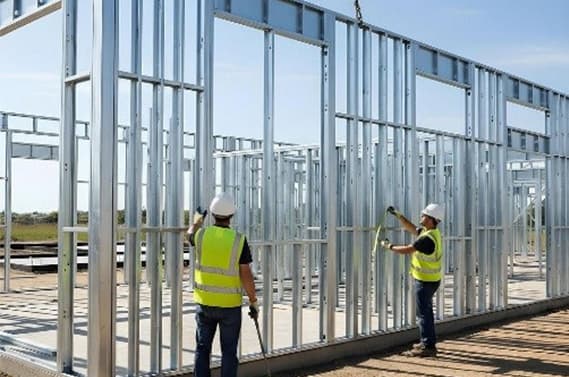
Cold-Formed Steel is an important part of our commitment to more sustainable construction. Its strength, precision, recyclability, and efficient use of materials can help minimize waste while supporting durable, high-performance building systems. Through careful engineering and controlled manufacturing, CFS construction can also contribute to greater consistency and more efficient project delivery.

Responsible construction is not defined by one material or one method. It comes from considering how a building is planned, what goes into it, how efficiently it is constructed and how well it performs over time.
For Doma, the focus should be on practical decisions that support quality construction, make better use of materials and resources, and deliver long-term value for the people who use the finished space.
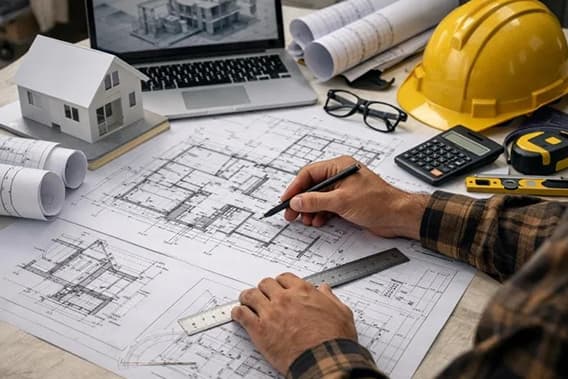
Consider materials, building performance, and construction requirements early.
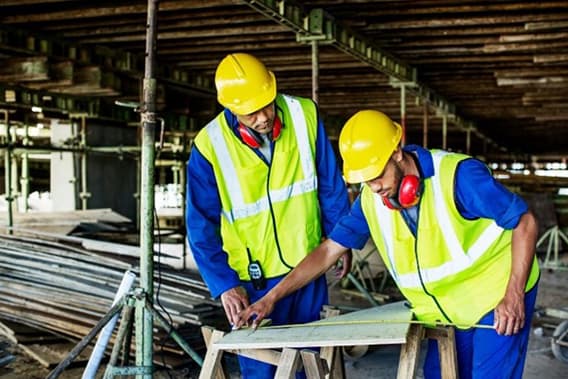
Look for opportunities to avoid unnecessary material use and waste.
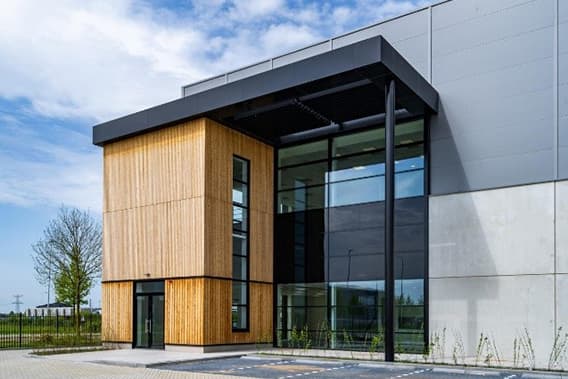
Prioritize appropriate materials, sound construction and lasting performance.
Cold-formed steel (CFS) fabrication supports efficient, precision-driven construction through coordinated design, engineering, and manufacturing. Explore how Doma’s CFS solutions support modern building projects.
Explore CFS FabricationEvery project presents different opportunities to build responsibly. Our approach is to identify those opportunities early, make informed decisions throughout construction and consider the long-term performance of the finished building.
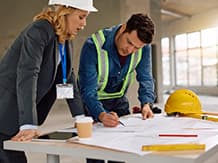
Identify project requirements, site conditions, and opportunities to improve material and resource efficiency.
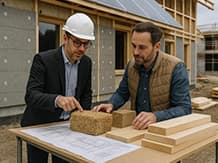
Consider suitable materials, durability, energy performance and construction methods in line with project requirements.
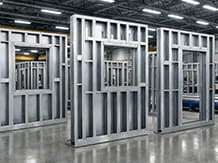
Use appropriate construction and prefabrication methods to support accurate assembly and efficient use of materials.
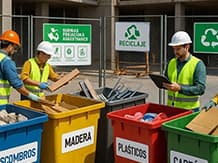
Identify practical opportunities to manage material use, minimize offcuts and handle construction waste responsibly.
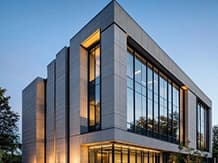
Focus on quality, durability and building performance that supports long-term value.
The choices made throughout a construction project can affect how efficiently materials are used, how a building performs, and how much maintenance it requires over time. We consider practical opportunities to make those choices count.
Select materials based on suitability, quality, durability and the needs of the project.
Look for ways to improve material planning, use and handling throughout construction.
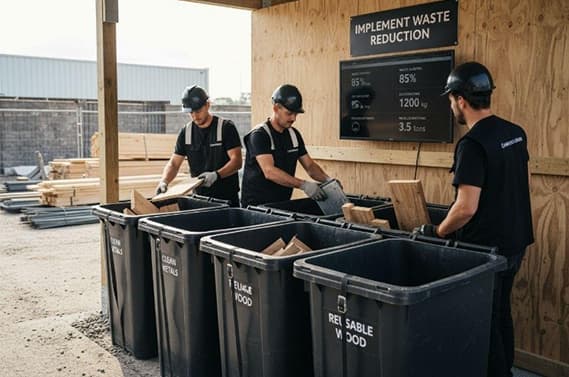
Consider energy use, building systems, and design choices that support efficient operation.
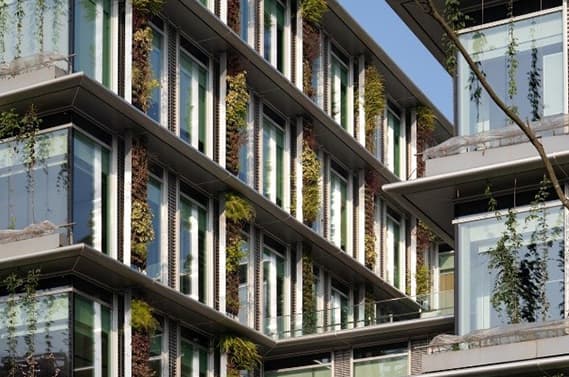
Focus on sound construction and appropriate materials that contribute to durability and long-term value.
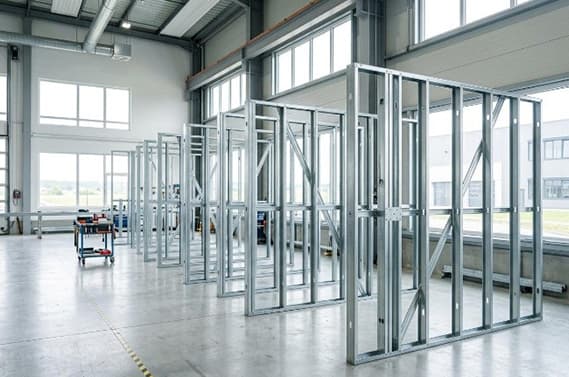
CFS - Cold Formed Steel prefabrication can offer opportunities for precise manufacturing, consistent components, and more controlled material use. Depending on the design and production process, it may also help reduce on-site cutting and waste.
For Doma, the focus should be on understanding where prefabrication adds value to a project and how it can support efficient construction without compromising structural requirements or quality.
Explore CFS Prefabrication SolutionsResponsible construction comes down to the decisions we make and the care we bring to the work. We aim to create buildings that serve their purpose well, make effective use of resources, and deliver value well beyond completion.